Cloud Security Challenges in Hybrid Environments: Navigating the Complexities of the Cloud

As businesses continue to embrace digital transformation, hybrid cloud environments—comprising a combination of on-premises infrastructure and public/private cloud resources—have become increasingly popular. The flexibility, scalability, and cost-efficiency offered by the cloud are undeniable, but they also introduce a unique set of security challenges that organizations must navigate.

While hybrid environments enable businesses to leverage the best of both worlds, they come with an added complexity that requires a more sophisticated approach to cloud security. In this article, we’ll explore the most common security challenges observed in hybrid cloud environments and how organizations can mitigate these risks.

1. Complex Visibility and Control

One of the foremost challenges in hybrid cloud environments is maintaining comprehensive visibility and control over both on-premises and cloud-based systems. With workloads and data dispersed across various platforms—private data centers, public cloud providers (like AWS, Microsoft Azure, or Google Cloud), and possibly even multiple clouds—ensuring complete monitoring and governance can be an arduous task.

Why it’s a challenge:

•    The use of different cloud providers introduces varying tools, security standards, and governance protocols, making it difficult to implement a uniform security policy across all environments.

•    Traditional security tools and frameworks designed for on-premises systems often struggle to adapt to the elastic nature of cloud-based services, leading to potential gaps in visibility.

Mitigation strategies:

•    Adopt a centralized cloud security platform that integrates multiple cloud environments and on-premises systems.

•    Use cloud-native security tools from providers that offer unified management interfaces, such as AWS Security Hub or Azure Security Center, to get a consolidated view of security alerts, configurations, and monitoring.

2. Data Security and Compliance Concerns

Data is often considered the lifeblood of organizations, and hybrid cloud environments create significant concerns about data security, privacy, and compliance. Storing sensitive information both on-premises and in the cloud increases the attack surface, making it harder to enforce consistent protection across all data assets.

Why it’s a challenge:

•    Ensuring data is encrypted both in transit and at rest is a constant challenge in hybrid environments, where different security controls may apply depending on where the data resides.

•    Regulatory requirements such as GDPR, HIPAA, and PCI-DSS can become more difficult to comply with when data is spread across various systems, potentially across different geographic regions.

Mitigation strategies:

•    Implement end-to-end encryption for data, regardless of whether it’s stored on-premises or in the cloud.

•    Leverage cloud services that provide built-in compliance certifications and features, such as data residency controls and audit logging.

•    Use Data Loss Prevention (DLP) tools to monitor, detect, and prevent unauthorized access to sensitive data.

3. Identity and Access Management (IAM)

Effective identity and access management is critical for protecting resources in any IT environment, but in hybrid environments, it becomes especially complex. In a hybrid model, employees, contractors, and services may access both on-premises systems and cloud services, requiring tight coordination between multiple IAM systems.

Why it’s a challenge:

•    Managing multiple identity providers (e.g., Active Directory, cloud IAM) increases the risk of inconsistent policies, which can lead to unauthorized access or privilege escalation.

•    The complexity of federating identities between on-premises and cloud systems without proper synchronization can create gaps in security.

Mitigation strategies:

•    Implement a unified identity and access management solution that can manage both on-premises and cloud-based access controls from a single interface.

•    Use tools such as Single Sign-On (SSO) and Multi-Factor Authentication (MFA) to strengthen authentication and ensure only authorized users can access critical systems and data.

•    Regularly audit and review access permissions to ensure that employees have the minimum necessary privileges, especially in cloud-based systems.

4. Insecure APIs and Integrations

In hybrid cloud environments, APIs play a central role in enabling communication between on-premises systems and cloud services. However, unsecured or poorly managed APIs can be a significant vulnerability, as they are often targeted by attackers to exploit weaknesses in the system.

Why it’s a challenge:

•    The sheer number of APIs used to connect disparate cloud and on-premises systems makes it difficult to track and secure them all.

•    If APIs are not properly secured, they can serve as entry points for attackers to exploit vulnerabilities in applications or data.

Mitigation strategies:

•    Implement secure API gateways that can monitor, authenticate, and control access to APIs.

•    Regularly perform vulnerability assessments and penetration testing on APIs to identify and fix weaknesses before they can be exploited.

•    Enforce API security best practices, such as using HTTPS, OAuth, and API rate limiting, to reduce the likelihood of exploitation.

5. Security Misconfigurations

Misconfigurations are one of the leading causes of security breaches in the cloud. Given the dynamic nature of hybrid environments, where systems are constantly being provisioned and decommissioned, ensuring that every cloud resource is configured securely can be a difficult task.

Why it’s a challenge:

•    Cloud providers offer a vast array of configurations, each with its own set of options and security implications, which can easily be misconfigured, leaving systems vulnerable.

•    Overly permissive default settings or insufficiently restrictive access policies can inadvertently expose sensitive resources to unauthorized users.

Mitigation strategies:

•    Leverage automated security configuration management tools (e.g., Terraform, AWS Config, or Azure Policy) to enforce compliance and prevent misconfigurations.

•    Adopt a “least privilege” access model to minimize unnecessary permissions and ensure that only the necessary users and services can access cloud resources.

•    Conduct regular configuration audits and vulnerability scans to identify and rectify any misconfigurations before they can lead to a breach

6. Lack of Skilled Security Professionals

Hybrid environments often require a highly specialized set of skills, especially when it comes to managing the security of both on-premises and cloud systems. The rapid adoption of cloud technologies has created a significant demand for skilled professionals who can manage hybrid environments securely, but the cybersecurity talent pool remains limited.

Why it’s a challenge:

•    As hybrid environments become more complex, organizations face difficulties in hiring and retaining cybersecurity professionals with expertise in both on-premises infrastructure and cloud platforms.

•    The growing volume of security alerts, complex threat landscapes, and continuous patch management require expertise that many in-house teams may lack.

Mitigation strategies:

•    Invest in training and upskilling your IT and security staff to bridge the knowledge gap between on-premises and cloud security best practices.

•    Consider leveraging managed security service providers (MSSPs) to augment your internal security team, providing expertise in hybrid cloud security without the need for additional full-time hires.

•    Adopt a shared responsibility model with cloud providers to understand what aspects of security are managed by the provider and what falls under your organization’s responsibility.

7. Insider Threats

In hybrid environments, where employees may access both on-premises and cloud resources from various locations and devices, insider threats—whether malicious or accidental—become a major security concern. Employees, contractors, or third-party vendors with privileged access can cause significant damage, whether intentionally or by error.

Why it’s a challenge:

•    Hybrid cloud environments often lack a consistent approach to monitoring and controlling insider access, particularly as users work across multiple environments.

•    The rise of remote work and Bring Your Own Device (BYOD) policies adds additional layers of complexity, increasing the chances of unintentional data exposure.

Mitigation strategies:

•    Implement strict access controls, including Zero Trust principles, where every request for access is continuously verified, regardless of the user’s location or device.

•    Deploy user and entity behavior analytics (UEBA) to detect anomalous activities that could indicate insider threats.

•    Regularly educate employees on the risks of insider threats, data handling policies, and how to identify and report suspicious activities.

Conclusion

While hybrid cloud environments offer significant advantages in terms of flexibility and scalability, they also introduce a unique set of security challenges that organizations must address to maintain a robust cybersecurity posture. From complex visibility and control issues to the risks associated with data security, APIs, and insider threats, organizations must adopt a proactive and multi-layered approach to cloud security.

By implementing best practices such as unified IAM systems, automated configuration management, secure APIs, and constant monitoring, businesses can mitigate the risks associated with hybrid cloud environments. As the hybrid cloud model continues to grow in popularity, staying ahead of these security challenges will be critical to maintaining the trust of customers, partners, and regulatory bodies alike.

The post Cloud Security Challenges in Hybrid Environments: Navigating the Complexities of the Cloud first appeared on Cybersecurity Insiders.

The post Cloud Security Challenges in Hybrid Environments: Navigating the Complexities of the Cloud appeared first on Cybersecurity Insiders.

DragonForce Ransomware behind Mark and Spencer digital outage

Almost a week ago, renowned UK-based retailer Marks & Spencer (M&S) became the victim of a devastating cyber attack that left the company in full-blown disruption mode. The retailer, known for its wide range of quality clothing, food, and household goods, now faces the aftermath of a sophisticated and well-executed cyber assault. Recent reports indicate that the attack is likely the work of a highly organized crime group, known as DragonForce, who deployed a powerful ransomware variant that could have caused lasting damage to the company’s IT infrastructure for days.

As the attack unfolded, M&S’s IT teams have been working around the clock to restore the company’s systems and resume normal operations. However, customers have reported ongoing issues, particularly with online bookings and technical glitches on the retailer’s website. The company’s internal networks were clearly disrupted, resulting in a series of cascading problems for both employees and customers trying to access M&S’s digital services.

The DragonForce Group and Its Methods

The group responsible for this cyber attack, DragonForce, is no stranger to high-profile ransomware incidents. Known for their “double extortion” tactics, they employ a two-pronged approach to cybercrime. First, DragonForce infiltrates the targeted organization’s systems and extracts sensitive data. Once they’ve secured the data, they encrypt it, effectively locking the company out of its own information until a ransom is paid. This ransom is typically demanded in cryptocurrency, making it difficult to trace the payments. The encryption locks the company’s access to its critical data, potentially crippling business operations for an extended period.

But the extortion doesn’t end there. Even after the ransom is paid, there is no guarantee that the attackers will provide the decryption key. The criminals often choose to sell the stolen data on the dark web, leaving the victimized company with not just the potential for business disruption but also the looming threat of data breaches and identity theft.

M&S’s Silence on the Attack

As of now, Marks & Spencer has refrained from making an official statement about the involvement of DragonForce or the specifics of the attack. The company has chosen to handle the situation discreetly, focusing on recovery efforts and planning to disclose the full details at a later time. While this level of confidentiality is understandable from a corporate standpoint, it leaves customers and the general public in the dark about the scope and severity of the breach.

However, the lack of an official update does raise questions about how deep the attack may have penetrated into the company’s systems. If the malware was as sophisticated as reports suggest, the recovery process could take much longer than initially anticipated.

The Ripple Effect of Cyber Attacks

Cyber-attacks of this magnitude bring significant consequences to the victimized companies. Apart from the immediate disruption to business operations, such attacks often tarnish the brand’s reputation. Consumers, especially those entrusting personal data to online services, tend to view a company’s inability to safeguard their information with skepticism. In M&S’s case, this could undermine years of consumer trust and loyalty.

Additionally, law enforcement agencies such as the FBI and Europol strongly advise against paying the ransom in situations like this. The primary reason being that paying the ransom not only funds criminal enterprises but also doesn’t guarantee the attackers will release the decryption key. In some cases, companies that comply with ransom demands find themselves targeted again, as cybercriminals perceive them as easy marks.

The Threat of Data Theft and Its Aftermath

In the case of “double extortion” ransomware attacks, the immediate concern isn’t just the disruption of business systems but the theft and sale of sensitive company data. DragonForce, like other ransomware groups, is known to sell this data on the dark web, where it can be used for a range of malicious purposes. This could include identity theft, fraud, and social engineering attacks targeting both the company’s customers and employees.

For businesses like M&S, the threat of customer data being sold on the dark web presents a long-term risk to their reputation and the safety of their clientele. Consumers who have their personal information exposed may face a variety of security risks, including financial fraud and phishing scams. This makes the impact of a cyberattack extend far beyond the immediate disruption, leaving companies to clean up the mess for months, or even years.

What Should Companies Do in Response?

The best course of action for any company facing a cyber attack is to refrain from paying the ransom. Instead, businesses should report the incident to the appropriate law enforcement authorities. Agencies like the FBI and Europol are equipped to track stolen data and monitor its potential sale on the dark web. By involving law enforcement early, companies can ensure that there are efforts to mitigate the risks of further data breaches and limit the damage caused by the attack.

Moreover, organizations should adopt proactive cybersecurity measures to help prevent future breaches. This includes regularly updating software and security patches, using strong encryption practices, training staff on phishing awareness, and investing in a robust backup system to ensure data can be recovered quickly in the event of an attack.

The Growing Threat of Cybercrime

The M&S incident underscores a broader trend in the growing sophistication of cybercriminal groups. As more businesses move online and digitize their operations, they become prime targets for ransomware attacks. The rise of ransomware-as-a-service has also made it easier for even less technically skilled criminals to launch such attacks. With the increasing frequency and severity of these incidents, it is more important than ever for organizations to take cyber threats seriously and adopt a comprehensive approach to cybersecurity.

In conclusion, while the immediate impact of the DragonForce attack on M&S is still unfolding, it serves as a stark reminder of the growing risks businesses face in the digital age. Proactive planning, strong cybersecurity defenses, and cooperation with law enforcement are essential to mitigate the damage caused by cybercriminals and protect the interests of both companies and their customers.

The post DragonForce Ransomware behind Mark and Spencer digital outage first appeared on Cybersecurity Insiders.

The post DragonForce Ransomware behind Mark and Spencer digital outage appeared first on Cybersecurity Insiders.

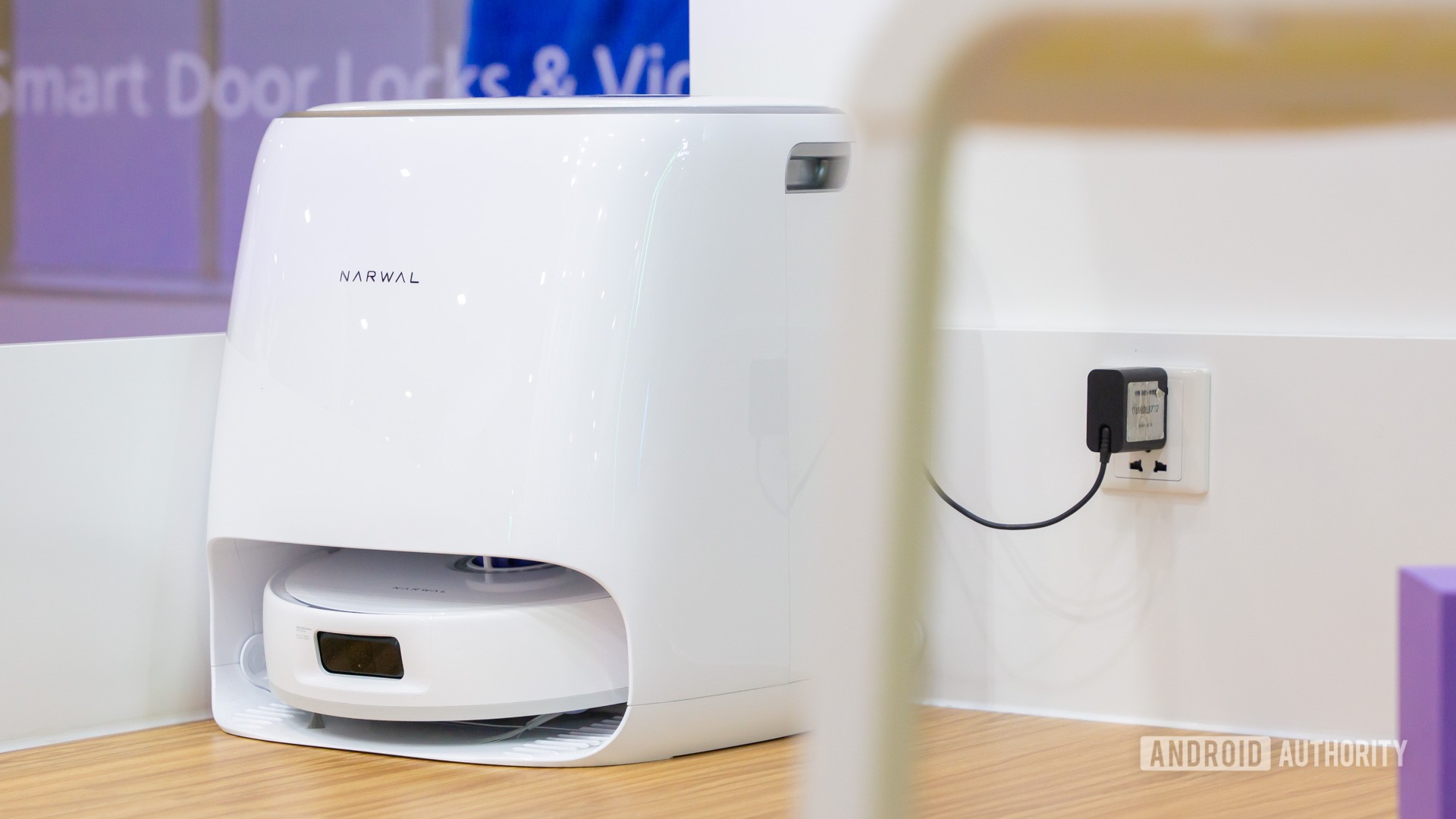
The Narwal Freo X Ultra vacuum and mop is a total steal at just $699.99

Narwal vacuums at CES 2024 (20) - Narwal Freo X Ultra

Credit: Edgar Cervantes / Android Authority

The Narwal Freo X Ultra has been our favorite robot vacuum and mop since we tested it. It is an impressive cleaning machine, but its retail price is also really high at $1,399.99. We’re not saying the tech isn’t worth the price, but I am not about to spend nearly a grand and a half on a robot, no matter how awesome it is. I’d rather wait and get a deal like today’s! You can get the Narwal Freo X Ultra for just $699.99, which is a 50% discount.

Buy the Narwal Freo X Ultra for just $699.99 ($700 off)

Hot deal: Get the latest Apple MacBook Air at a $150 discount

Apple MacBook Air M4 in bag

Credit: Apple

The Apple MacBook Air line-up has become among the most popular laptop series around, especially since the release of Apple’s own processors. The latest one is the Apple MacBook Air M4, which was only released this March. Deals are already starting to get good, too, as the Apple MacBook Air M4 has just reached a new record-low price of $849. That’s a $150 discount!

Get the Apple MacBook Air M4 for just $849 ($150 off)!

Good news, US fans: The Nothing Phone 3 will be available Stateside

Nothing Phone 2 in gray with glyph lighting enabled

Credit: Damien Wilde / Android Authority
  • Nothing CEO Carl Pei has all but confirmed that the Nothing Phone 3 will launch in the US.
  • The confirmation is good news for fans amid ongoing tariff challenges in the US.
  • The device is expected to launch sometime in Q3 2025.

The Nothing Phone 3 has been nearly two years in the making, and expectations are running high. Nothing remains one of the few Android phone makers today that isn’t churning out cookie-cutter devices. Every recent release, whether it’s the Phone 3a series or the CMF Phone 2 Pro, has brought something unique to the table. With the Nothing Phone 3, we’re hoping for a true flagship killer. And the good news is, we might not have to wait much longer.

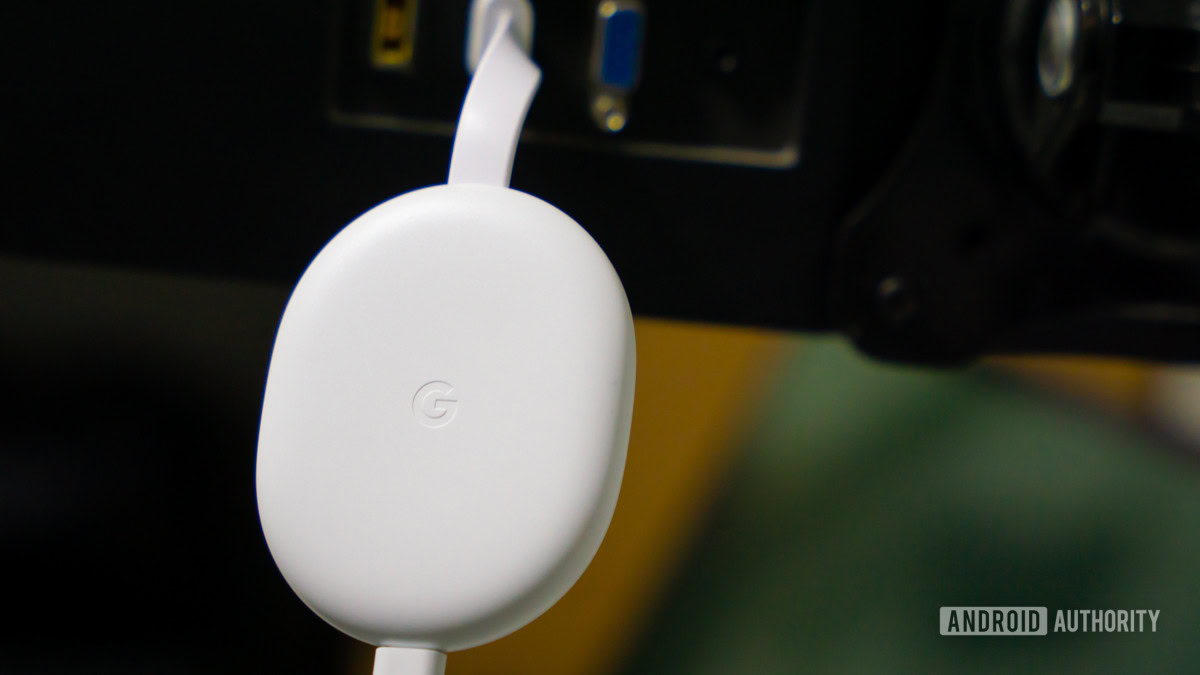
Chromecast with Google TV just got one of the best features from its expensive successor

Chromecast with Google TV HD 4

Credit: Edgar Cervantes / Android Authority
  • Google is widely rolling out the Home Panel to the Chromecast with Google TV and other Google TV devices.
  • The feature was previously available to those signed up for the Google Home public preview program.
  • The Home Panel allows you to control your smart home devices right from your Chromecast with Google TV and other compatible screens.

The Chromecast with Google TV may no longer be available, but that doesn’t mean Google is abandoning it. In fact, a new update dropped in March, bringing Android 14 to the popular streaming dongle. Now, Google’s erstwhile streamer is picking up the coveted Home Panel from its pricier successor, the Google TV Streamer.

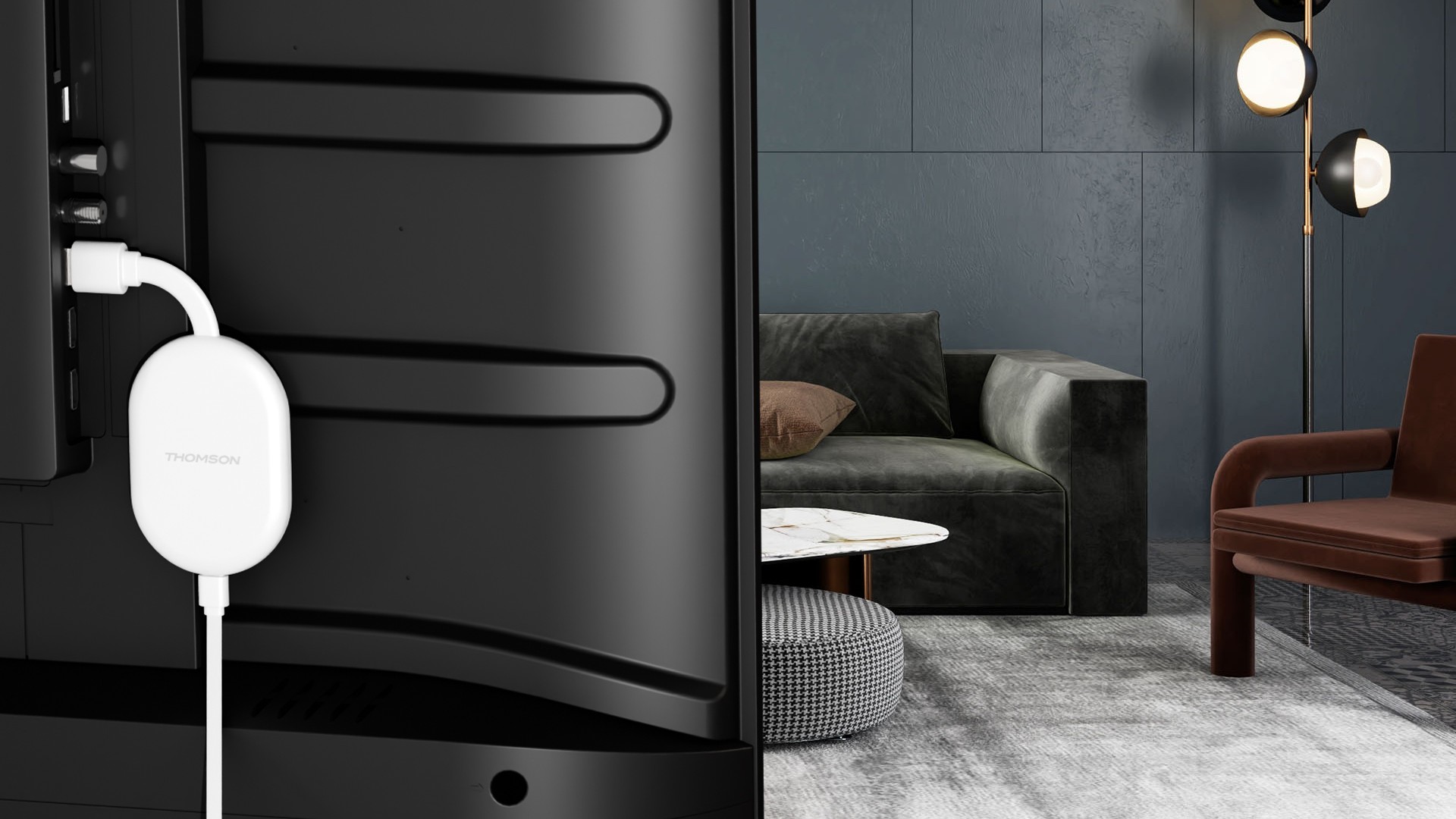
The Chromecast with Google TV is reborn…with a new name!

Thomson Cast 150

Credit: Thomson
  • Thomson has launched a copy of the discontinued Chromecast with Google TV.
  • The Google TV dongle comes with an updated remote that features a dedicated “Live TV” button.

Earlier this year, Google discontinued the Chromecast with Google TV and replaced it with the new Google TV Streamer. The old Chromecast had a compact, dongle-style design that plugged directly into a TV’s HDMI port. In contrast, the new Google TV Streamer features a more traditional set-top box design, with a separate unit that connects to your TV via an HDMI cable. The Chromecast was also much more affordable, with the 4K model costing about half as much as the new streamer. The good news is that a Chromecast alternative has just hit the market, albeit it doesn’t come from Google.

Snapdragon 8 Elite deep dive: A return to custom CPUs and much more

The Snapdragon 8 Elite is Qualcomm’s latest smartphone processor and is a radical departure from its predecessor, the Snapdragon 8 Gen 3, in a couple of key areas. There’s a highly anticipated return to custom CPU core development, greatly enhanced graphics performance, and a load of new stuff for AI and imaging.

So, let’s explore all the new features in more detail, starting with that swanky CPU setup.

Will Starlink and other satellite companies eventually rival cellular carriers?

starlink dish second angle

Credit: Andrew Grush / Android Authority

Starlink has truly opened our eyes to the power of satellite technology, delivering speeds that rival cable internet in areas previously lacking high-speed options. But Starlink isn’t just about traditional internet use. Earlier this year, T-Mobile and Starlink introduced emergency satellite-to-cell features, including full texting, to mobile phone users for the first time. More recently, Verizon and some of its MVNOs followed suit with a more limited satellite-to-cell service launch for Pixel 9 and Galaxy S25 users, in cooperation with Skylo.

As satellite providers increasingly team up with major carriers, you might wonder: Will satellite technology ever surpass traditional services from big providers? It’s a compelling thought, but the reality is more complicated.

Fitbit hates me, Oura indulges me, and I still can’t find my perfect fitness platform

When it comes to fitness trackers, the best ones don’t just count your steps or monitor your sleep, they help you achieve your wellness goals. Or at least that’s what I tell myself whenever I pick up a new device to test. For me, the best fitness companion offers useful health data and keeps me motivated, but also fits into my real life. That balance can be hard to find. I’ve spent a few weeks with both Fitbit and Oura, and while each has its strengths, neither is quite right for me. If Fitbit were a coach, it’d be the kind that says, “I’m not angry, just disappointed.” Meanwhile, Oura is more like a well-meaning parent who insists, “The important thing is that you tried!”

Fitbit: The Tough Love Approach

A Google Pixel Watch 3 displays a user's steps.

Rare deal: Get the Google TV Streamer while it is still on sale!

Google TV Streamer with Remote on TV console with red light

Credit: C. Scott Brown / Android Authority

The Google TV Streamer recently went on sale for the first time. This was a special occurrence, as it is technically a new record-low price, and Google devices don’t often go on sale. We didn’t think the rare offer would last long, so we’re surprised to see it’s still $79, saving you $20.99. You might want to sign up for this deal soon!

Buy the Google TV Streamer for $79 ($20.99 off)

Samsung just ‘officially’ leaked the price of the Galaxy S25 Edge!

Samsung Galaxy S25 Edge (3)

Credit: Paul Jones / Android Authority
  • Samsung has leaked the prices of the Galaxy S25 Edge models.
  • The prices were spotted on a promotional page of the company’s Canadian website.
  • The sleek new flagship is expected to launch on May 13, and thanks to this leak, we now know it might just cost a smidge below the S25 Ultra.

May is shaping up to be a busy month for Samsung, with the Galaxy S25 Edge now expected to launch on May 13. Just a day after that launch date and a rumored May 30 US release date made the rounds, we now have pricing info for the ultra-thin phone. Brace yourselves! The information comes straight from Samsung. Yep, appear to have leaked their own product, which really isn’t a first for the company.

Nintendo Switch 2 pre-orders are live in the US: Here’s where to buy yours right now

Nintendo Switch 2

Credit: Nintendo
  • The Nintendo Switch 2 is now up for pre-order on Target and Best Buy.
  • GameStop and Walmart will also start pre-orders today.
  • The console costs $450 for the base model or $500 for the Mario Kart World bundle.

After weeks of delays, tariff drama, and plenty of speculation, the Nintendo Switch 2 is finally up for pre-order. As of today, April 24, fans in the United States can lock in their console orders at Target, Best Buy, GameStop, and Walmart. Of this list, pre-orders have already kicked off on Target and Best Buy, with GameStop and Walmart expected to begin pre-orders any minute now.

-- Get the right stuff from a partner you trust. --

Partners

-- IT NEWS --

Blog

admin December 11th, 2025

Credit: Edgar Cervantes / Android Authority TL;DR Spotify is getting a new “Prompted Playlist” feature to help users create more […]

admin December 11th, 2025

TL;DR Four of the best Good Lock modules aren’t working properly on the One UI 8.5 beta. Home Up and […]

admin December 10th, 2025

This is an open thread. We want to hear from you! Share your thoughts in the comments and vote in […]