I’m excited for a large Pixel Watch XL, but it’d better have a bigger battery

A charging Pixel Watch 2 displays the device's battery status at zero percent.

Credit: Kaitlyn Cimino / Android Authority

From persistent rumors to leaked images, an XL variant of the Google Pixel Watch 3 is all but confirmed to be heading to shelves this fall. Though I’m not usually one to put the cart before the horse, I’m already emotionally committed to the larger build. However, I don’t just want a bigger screen; I want a bigger battery.

Third time’s the charm

google pixel watch wear os watch face material stack 1

Pixel 8 users are facing connectivity issues, VPN by Google might be to blame

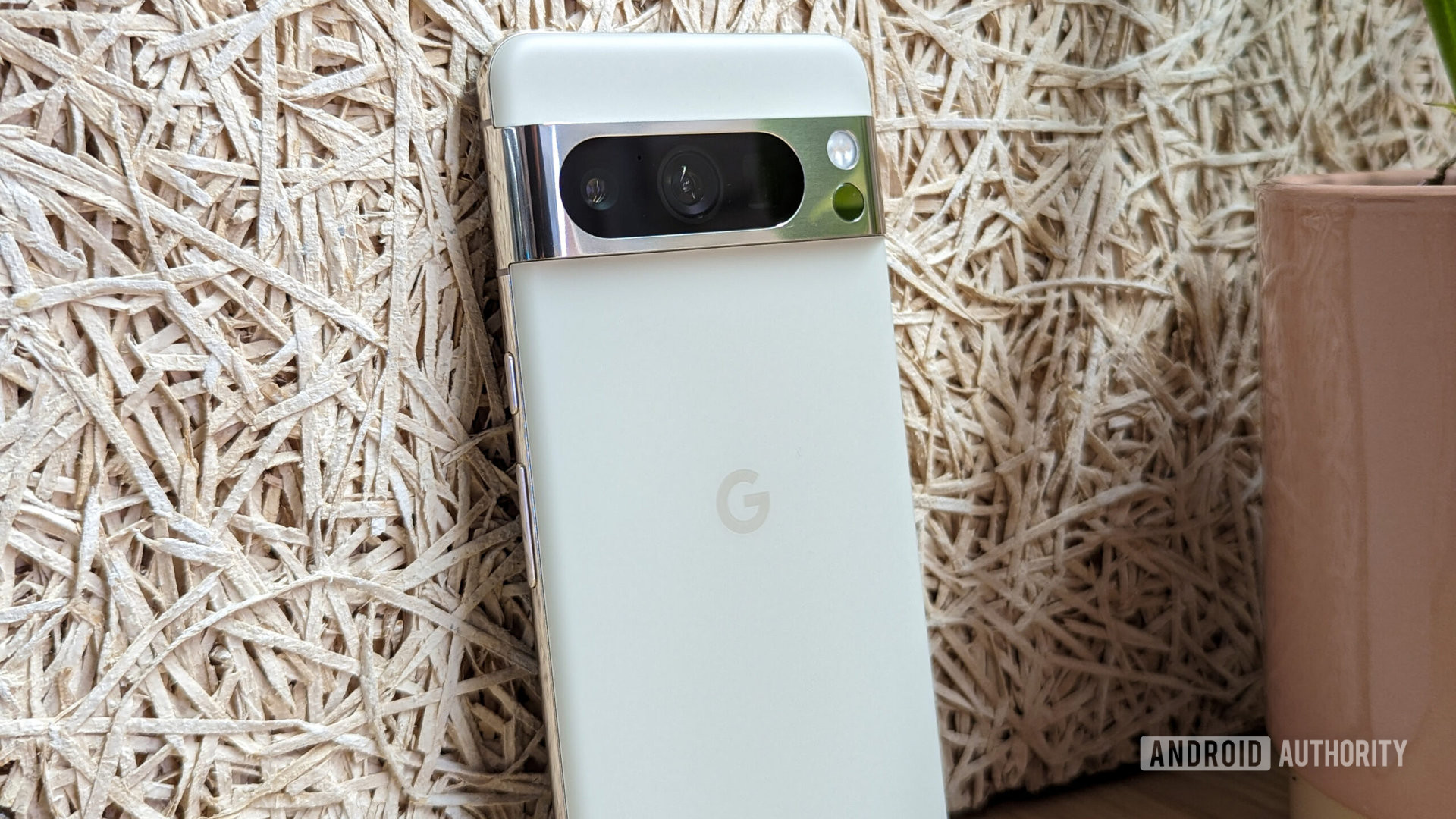
google pixel 8 pro rear porcelain 2

Pixel 8 Pro
Credit: Rita El Khoury / Android Authority
  • Several Pixel 8 and Pixel 8 Pro users are facing connectivity issues of late.
  • Disabling the built-in VPN seems to address the problem for some.

Google Pixel 8 and Pixel 8 Pro users in many parts of the world are facing connectivity issues. The problem doesn’t appear to be widespread and predominantly affects those who use the device’s built-in VPN.

According to 9to5Google, multiple user reports on the r/GooglePixel subreddit highlight issues ranging from the inability to access specific apps or websites to complete loss of connectivity. In most cases, disabling the new VPN by Google seems to get users back online. However, the issue also appears to affect users in regions where Google does not offer its VPN service, leaving no option for a temporary fix.

New York set to ban so-called addictive social media feeds for children without parental consent

TikTok featured image

Credit: Joe Hindy / Android Authority
  • New York is introducing two new laws designed to better protect kids online.
  • The first law would limit feeds to followed accounts, turning off automatic suggestions. The second law would limit the data collected around minors.
  • Both laws are likely to face opposition in the near future, as not everyone agrees with the approach taken by the state of New York.

Social media is notoriously addictive, especially for young users like children and teenagers. While the US government has shown some interest in protecting our youth online, there hasn’t been much federal progress. As a result, several states have stepped up with their own laws, with New York being the latest to introduce legislation.

Today, Governor Kathy Hochul signed two new bills into law. The first, called the Stop Addictive Feeds Exploitation (SAFE) for Kids Act, requires parental consent for “addictive feeds” in apps. Currently, most social media apps automatically suggest content through custom algorithms. Under this new law, minors will only see videos from accounts they follow, unless they have parental approval for automatic suggestions. The law also prevents platforms from sending notifications about suggested posts to minors between midnight and 6 am, unless there is verifiable parental consent. The next step is to create a system to verify a user’s age and parental consent status. Once the rules are finalized, social media companies will have 180 days to integrate the new regulations into their apps. Companies that fail to comply could face fines of $5,000 per violation.

Leaked images of Galaxy Z Fold 6 and Z Flip 6 prototypes suggest minimal design upgrades

Samsung Galaxy Z Flip 4 and Galaxy Z Fold 4 standing

Galaxy Z Fold 4 (L) vs Galaxy Z Flip 4 (R)
Credit: Robert Triggs / Android Authority
  • Leaked images of prototype Galaxy Z Fold 6 and Z Flip 6 units have surfaced online.
  • Both devices feature a more boxy design with flat edges, but the overall design and layout remain largely unchanged.
  • The units shown are prototypes, meaning the final designs may still change the official release.

As the anticipation builds for Samsung’s summer Unpacked event, rumors and leaks about the Galaxy Z Fold 6 and Z Flip 6 have started pouring in. The latest one comes from 9to5Google, who have obtained images of both phones’ prototype units (via Sonny Dickson), dashing some of the high hopes we previously had from Samsung’s next-gen foldables phones.

The leaked images of the Z Fold 6 reveal a design that appears to be an iterative upgrade from the current Z Fold 5. While earlier reports hinted at a slightly wider outer screen, the aspect ratios of both displays remain largely unchanged, and the crease on the inner display doesn’t seem to have seen significant improvement.

Migrate your Spotify playlists to YouTube Music for free with this tool

Smartphone in hand on a wooden background with YouTube Music's Library page open on the screen.

Credit: Joe Hindy / Android Authority
  • YouTube Music doesn’t have a one-click solution to help Spotify users migrate their libraries and playlists.
  • Although several third-party tools offer this functionality, they are either paid or copy a limited number of songs per playlist.
  • This tool lets you copy your entire Spotify library to YouTube Music, but it’s not as quick or straightforward as other third-party tools.

If you’re considering switching to YouTube Music after the Spotify Premium price hike earlier this month, you should know that YouTube Music does not offer a native migration feature. You will need to rely on third-party tools to copy your Spotify library, many of which are locked behind a monthly subscription or have a cap on the number of songs you can copy per playlist. If you are open to a bit of tinkering, though, and have some experience running Python scripts, developer Sean Reifschneider (aka “linsomniac”) has a free solution.

Reifschneider’s spotify_to_ytmusic tool will help you copy all your liked songs and playlists to YouTube Music. It can also list all your existing Spotify and YouTube Music playlists to help you copy individual playlists and avoid duplicates.

New Google Chromecast with Google TV wishlist: All the features I want to see

The Chromecast with Google TV was a major game-changer when it first arrived back in 2020. It represented the evolution of Chromecast from a simple casting device into a powerful Android TV streamer with a new Google TV interface, a remote, and plenty of other new features. Four years later, the streamer still works quite well but is definitely starting to show its age.

Recently, I had the opportunity to review the Onn 4K Pro. With rumors and leaks starting to ramp up about a new streamer from Google, there are a lot of features here that I’m hoping to see in the next Chromecast with Google TV to match Walmart’s budget box. With that in mind, here’s what I’d like to see from the new Chromecast with Google TV HD and/or 4K when it finally arrives.

Understanding the Crucial Differences: Disaster Recovery vs. Ransomware Recovery

In the realm of IT and cybersecurity, businesses often face the daunting task of preparing for and responding to potential threats that could disrupt their operations. Two critical strategies emerge in this context: disaster recovery and ransomware recovery. While both aim to restore business continuity, they differ significantly in their scope, approach, and objectives.

What is Disaster Recovery?

Disaster recovery (DR) encompasses a set of policies, tools, and procedures designed to recover and protect a business’s IT infrastructure in the event of a natural or human-induced disaster. These disasters can range from earthquakes and fires to hardware failures and cyber-attacks. The primary goal of disaster recovery is to minimize downtime and data loss, ensuring the organization can resume normal operations swiftly.

Key Features of Disaster Recovery:

• Comprehensive Backup Systems: Regular backups of data and systems are essential components of disaster recovery plans. These backups are stored off-site or in the cloud to safeguard against physical damage or data corruption.

• Replication of Critical Systems: In addition to backups, disaster recovery may involve real-time replication of critical systems to secondary or backup locations, ensuring minimal disruption.

• Tested Recovery Procedures: Periodic testing and simulation exercises are conducted to validate the effectiveness of the disaster recovery plan and ensure readiness for emergencies.

•Focus on Business Continuity: The overarching aim of disaster recovery is to maintain business continuity by quickly restoring essential services and minimizing the financial impact of disruptions.

What is Ransomware Recovery?

Ransomware recovery, on the other hand, is a specific subset of disaster recovery that focuses exclusively on recovering from ransomware attacks. Ransomware is a type of malicious soft-ware that encrypts a victim’s files or locks them out of their systems until a ransom is paid. Un-like other forms of data loss or disruption, ransomware attacks often involve extortion and re-quire a distinct recovery approach.

Key Features of Ransomware Recovery:

• Incident Response Readiness: Organizations must have a dedicated incident response plan specifically tailored to ransomware attacks. This plan includes steps for containment, investigation, and recovery.

• Secure Backups and Data Restoration: Secure and regularly updated backups are crucial for ransomware recovery. These backups enable organizations to restore encrypted or locked data without paying the ransom.

• Negotiation Considerations: In some cases, negotiating with attackers may be necessary to retrieve decryption keys or regain access to systems. However, this is typically a last resort and not recommended due to legal and ethical considerations.

• Enhanced Cybersecurity Measures: Ransomware recovery often involves bolstering cybersecurity defenses to prevent future attacks. This includes patching vulnerabilities, enhancing endpoint protection, and improving user awareness through training.

Conclusion

In summary, disaster recovery and ransomware recovery are both essential components of a comprehensive cybersecurity strategy, each addressing distinct aspects of resilience and response. While disaster recovery encompasses broader strategies for mitigating various forms of disruptions, ransomware recovery hones in on the specific challenges posed by malicious ransomware attacks. By implementing robust plans for both disaster recovery and ransomware recovery, organizations can enhance their resilience against evolving cyber threats and ensure the continuity of their operations in the face of adversity.

The post Understanding the Crucial Differences: Disaster Recovery vs. Ransomware Recovery appeared first on Cybersecurity Insiders.

Google Chrome users targeted by Cyber Attack

Google Chrome users worldwide are being warned about a targeted cyber attack specifically aimed at Android browsers across various devices. Hackers are deploying fake error messages to lure users into downloading malicious code purportedly to fix issues in both the Chrome browser and Microsoft Word and OneDrive accounts.

Security experts advise Chrome users to exercise caution and avoid installing root certificates or blindly copying raw code with their mouse. Initial investigations suggested the attack aimed at stealing digital information from devices, but further scrutiny revealed a focus on stealing cryptocurrencies like BTC.

The cybersecurity firm Proofpoint first identified these deceptive ‘fake error messages’ designed to mislead users into downloading code that turns malicious upon execution.

In other developments, Google has begun rolling out an update to Chrome browser users on Android, introducing a new feature called ‘Listen to this Page.’ This feature allows users to listen to web pages in their preferred language. To access it, Chrome users need to tap the three-dot menu icon and select the option to listen to the page from the menu in the Chrome Android app.

Currently, the audio feature is exclusive to Google search users using the Chrome app, with plans to expand it to other browsers in the coming months. Users can control playback options such as play, pause, rewind, and fast forward, enabling them to consume web content audibly at their convenience.

Interestingly, the cyber attack on Chrome browsers coincided with Google’s announcement of the ‘Listen to this Page’ feature for its mobile application users.

The post Google Chrome users targeted by Cyber Attack appeared first on Cybersecurity Insiders.

T-Mobile can no longer advertise a ‘Price Lock’ if it doesn’t lock prices (Update: Statement)

T Mobile logo on smartphone (1)

Credit: Edgar Cervantes / Android Authority
  • AT&T highlighted several T-Mobile advertisements around its “Price Lock” guarantee to the US National Advertising Division (NAD).
  • The NAD concluded that the policy description’s fine print contradicted the main “Price Lock” claim, and hence, T-Mobile has to discontinue or modify its policy to explain how it differs from a price lock.
  • T-Mobile has stated that it will comply with the NAD’s decision.

Update, June 19, 2024 (01:00 AM ET): A T-Mobile spokesperson has provided the following statement to us on this matter:

We believe the challenged ads clearly communicated our generous Price Lock benefit, which offers customers on eligible rate plans the opportunity to get their final month’s service charges paid by us if their price changes and they let us know they’ve chosen to leave. We will continue to offer Price Lock to customers but will take the NAD’s recommendations for clarifying the offer into consideration.

Google is preparing to make the Settings app in Android 15 more organized (APK teardown)

  • Google is preparing to revamp the Settings app in Android 15 to be more organized.
  • In Beta 3, new code reveals how the top-level settings page will organize entries into visually distinct sections.
  • This change will make it easier to quickly find the submenu you’re looking for.

If you open the Android Settings app in the latest beta release of Android 15, you won’t see any changes, because there aren’t any. However, a future release of Android 15 might bring a reorganized top-level settings page, according to an Android Authority analysis.

Currently, if you look at the layout of the top-level settings page in, say, Android 14 on a Pixel phone, there’s no real rhyme or reason why certain menu items are where they are. Some of the more commonly accessed menu items are placed earlier in the list, but otherwise, there’s no particular order. Plus, since there are so many different menu items bunched together in the top-level page, it can be challenging for new Pixel users to quickly find the page they’re looking for.

The US sues Adobe for its subscription practices: Is Adobe trying to swindle us?

Adobe Lightroom mobile open in many devices

Credit: Edgar Cervantes / Android Authority
  • The US DOJ is suing Adobe over harming customers and not correctly disclosing important terms.
  • It claims Adobe’s yearly commitment isn’t clear enough to consumers.
  • Adobe also makes canceling subscriptions very complicated and charges an early termination fee.

Lawsuits have become so common in the tech industry that we are no longer surprised by them, and today, Adobe seems to be the new target. This lawsuit is more unique, though, as this time, the United States Department of Justice is suing the software company famous for applications like Photoshop, Lightroom, Premiere, Acrobat, and more.

The US DOJ filed an official complaint today, blaming Adobe for a few things. For starters, it claims that Adobe “has harmed consumers” for years by not being clear about its plan terms. More specifically, it’s referring to the Adobe Creative Cloud subscriptions that operate as “Annual, Paid Monthly.”

Mystery Google device passes through the FCC: Is it a Nest Thermostat, Hub, or speaker?

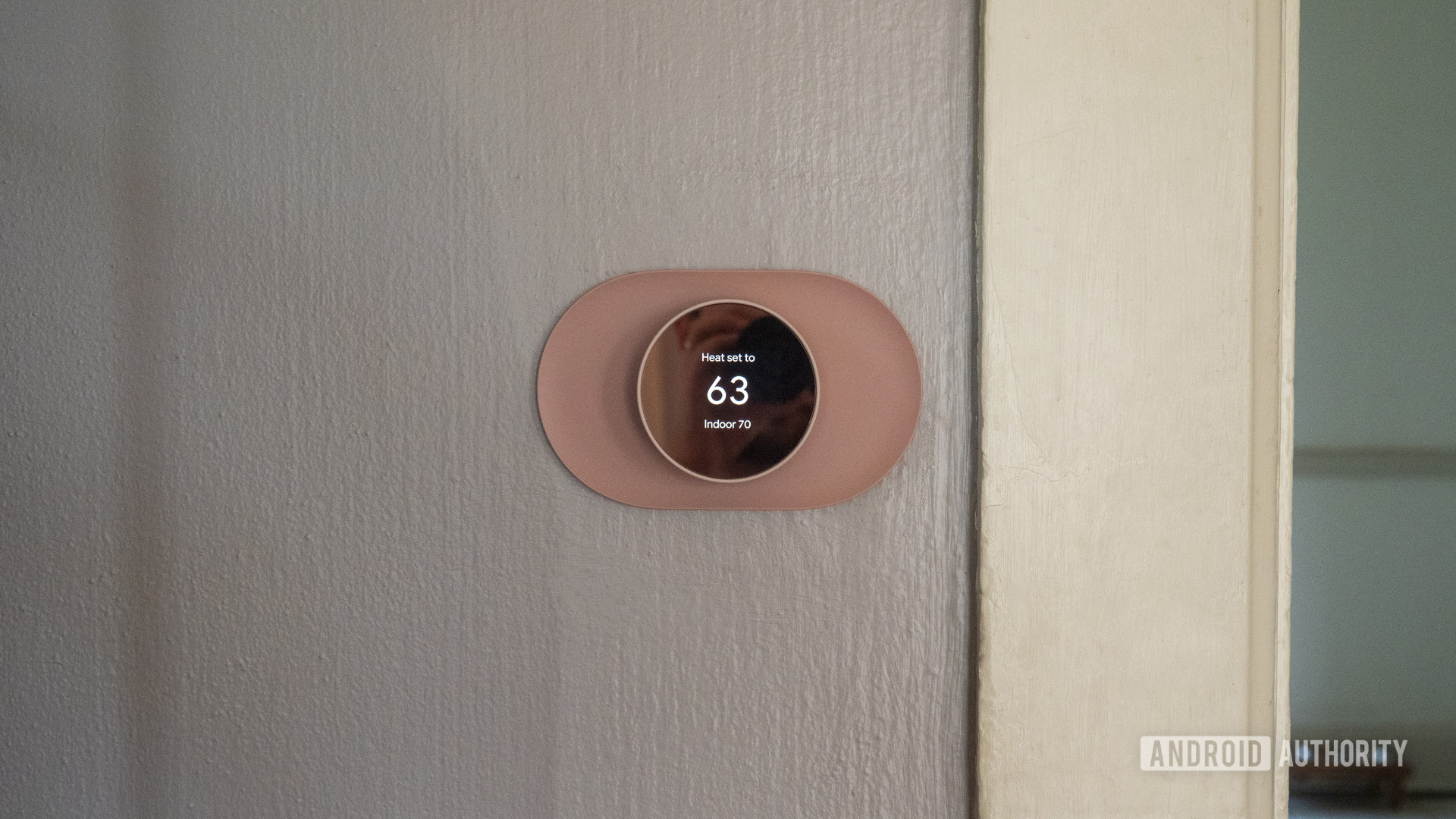
google nest thermostat review display temperature on wall 1

Credit: Jimmy Westenberg / Android Authority
  • A new Google wireless device has been filed through the FCC.
  • All we know is it features Wi-Fi, Bluetooth, and 60GHz radio support.
  • It’s believed to be a Nest Thermostat, but it could also be a smart speaker or display.

It seems about time for Google’s Nest Thermostat to get an upgrade, as its last iteration was released in 2020. Needless to say, it has been a bit of an ignored product within Google’s Nest product lineup. It’s also arguable that there is not much to change in a thermostat, though. Regardless, a new FCC filing has raised suspicions of a possible upcoming Nest Thermostat.

Sadly, the FCC reports don’t tell us too much. All we know is that it is a “wireless device” labeled under model GJQ8U, with Wi-Fi, Bluetooth, and 60GHz RF radios. Of course, pretty much all smart devices these days have Wi-Fi and Bluetooth. What makes everyone suspect this may be a Nest Thermostat is the 60GHz RF support, which is oddly similar to the Soli radar found on the latest Nest Thermostat.

Apple won’t make you wait until 2025 for some of Siri’s upgrades

Siri on Apple iPhone 12 Mini stock photo 2

Credit: Edgar Cervantes / Android Authority
  • Although many of Siri’s new features will arrive in 2025, a few will launch this year.
  • This year Siri will gain a new UI, natural language updates, and more.

During WWDC, Apple announced a flurry of improvements coming to Siri in the near future. While a majority of those upgrades will come in 2025, users will see at least a few updates when iOS 18 launches.

According to Mark Gurman in his Power On newsletter for Bloomberg, Siri is set to get a few improvements before the end of 2024. One upgrade will be the new glowing ring UI Apple showcased during WWDC. You can also expect the virtual assistant to its natural language update which allows it to understand better understand users even when they misspeak.

-- Get the right stuff from a partner you trust. --

Partners

-- IT NEWS --

Blog

admin December 11th, 2025

Credit: Edgar Cervantes / Android Authority TL;DR Spotify is getting a new “Prompted Playlist” feature to help users create more […]

admin December 11th, 2025

TL;DR Four of the best Good Lock modules aren’t working properly on the One UI 8.5 beta. Home Up and […]

admin December 10th, 2025

This is an open thread. We want to hear from you! Share your thoughts in the comments and vote in […]